Drug addiction affects a woman’s body, mind, family life, and daily routine all at once. Because of this, finding the right Women’s Drug Rehabilitation Centre Patna can be the first real step towards a steadier life. With a proper assessment, medical supervision, counselling, and regular follow-up, women can work towards recovery in a safe and respectful setting.
Addiction is not a lack of willpower. It changes behaviour, brain function, emotions, and physical health. For this reason, good treatment must look beyond the substance itself. Many women also need help with stress, family problems, trauma, or anxiety, since these issues often shape recovery.
Why Is Specialised Drug Addiction Treatment Important for Women?
Women often face addiction in different ways. Their health needs, family duties, and personal history can all play a part. Many also delay seeking help because they fear judgement or worry about how treatment will affect their children, marriage, or job.
A women-focused setting makes it easier to speak openly about these worries. As a result, patients usually feel calmer and more willing to take part in their care.
Understanding the Individual Needs of Women
No two patients have the same story. Each woman has her own pattern of substance use and her own recovery needs. That is why a careful assessment matters. It helps doctors learn which substance was used, for how long, how healthy the patient is, and whether she has any mental health concerns or earlier treatment experiences.
Providing Privacy and Respectful Care
Privacy and dignity matter a great deal during rehabilitation. A woman should be able to talk about sensitive topics without shame. When the environment feels safe, honest conversation becomes easier, and treatment usually works better.
What Treatments Are Commonly Used at a Women’s Drug Rehabilitation Centre Patna?
No single method suits everyone. The best plan depends on the substance, the level of dependence, the risk of withdrawal, and the patient’s general health. Good care often blends medical treatment, psychological support, rehabilitation, and follow-up services.
1. Medical Assessment and Supervised Detoxification
Treatment usually starts with a medical check. Doctors review the patient’s substance history, physical symptoms, mental health, and any other medical conditions.
When withdrawal needs to be managed, it should happen under proper medical supervision. Symptoms differ from one substance to another. Some women face poor sleep, anxiety, nausea, or mood swings, while others may develop more serious complications.
Detoxification helps the body cope with the first effects of stopping. However, detox alone does not cure addiction. Counselling and ongoing rehabilitation are usually needed to keep recovery going.
2. Counselling and Behavioural Therapies
Counselling helps women understand the thoughts, feelings, and situations that lead to substance use. It also teaches healthier ways to handle stress and painful experiences.
Common approaches include:
- Cognitive Behavioural Therapy (CBT): Helps spot unhelpful thought patterns and builds practical coping skills.
- Motivational Interviewing: Encourages patients to find their own reasons for change and to take an active role in recovery.
- Individual Counselling: Offers a private space to discuss personal struggles, triggers, and treatment goals.
- Group Counselling: Lets participants learn from shared experiences and feel supported.
- Family Counselling: Improves communication and strengthens relationships during recovery.
The treatment team chooses the right mix for each patient.
3. Medication When Clinically Required
Some substance use disorders need medication as part of care. The choice depends on the substance, the medical history, and the clinical assessment. Only qualified healthcare professionals should prescribe and monitor these medicines.
Patients should never start, stop, or change addiction-related medication without medical advice.
4. Rehabilitation and Healthy Daily Routines
Rehabilitation helps patients rebuild everyday habits and responsibilities. A structured day may include counselling sessions, recreational activities, personal development, rest, and health-focused practices.
As a result, women can regain confidence, build self-discipline, and prepare for life after formal treatment.
What Should You Look for in a Women’s Drug Rehabilitation Centre Patna?
Choosing a women’s rehab centre takes careful thought. Families should look past advertisements and learn how the programme really works. The table below lists the key points to check.
| Important factor | What to check |
| Medical supervision | Availability of qualified medical professionals |
| Personalised treatment | Assessment-based recovery plans |
| Counselling | Individual and group support |
| Privacy | Respectful handling of personal information |
| Family involvement | Guidance for families when appropriate |
| Aftercare | Follow-up and relapse-prevention support |
A Supportive Environment at a Women’s Drug Rehabilitation Centre Patna
A good centre treats every patient with compassion and respect. Women should have the chance to share their concerns, understand their treatment plans, and join in decisions about their care.
Before choosing a programme, families can also ask about treatment duration, medical facilities, counselling arrangements, safety procedures, and follow-up support.
The Role of Family Support at a Women’s Drug Rehabilitation Centre Patna
Family members can make a real difference, but their support needs to be patient and informed. Blaming, threatening, or repeatedly bringing up past mistakes can add to emotional stress.
Instead, families can help by:
- Encouraging regular participation in treatment.
- Listening without judgement.
- Supporting healthy routines and medical appointments.
- Avoiding situations that may tempt a return to substance use.
- Learning about addiction and relapse prevention.
- Seeking family counseling when professionals recommend it.
Recovery can bring hard days. Steady support and realistic expectations help patients stay committed to their goals.
How Does Relapse Prevention Help Women Maintain Recovery After Drug Rehabilitation?
Finishing the first stage of treatment does not mean recovery is over. A return to substance use can happen, and it calls for quick professional help, not guilt or blame.
A Drug Addiction Treatment in Patna programme helps patients notice early warning signs and respond wisely to difficult moments.
Identifying Triggers and Risky Situations
Stress, peer pressure, loneliness, relationship problems, and contact with people linked to past substance use can all act as triggers. Counselling helps women recognise these moments and plan healthier responses.
Continuing Counselling and Follow-Up Care
Follow-up visits let doctors review progress and catch problems early. In addition, support groups, family guidance, and community-based care can help women keep healthy routines.
How Can Families Find the Right Women’s Drug Rehabilitation Centre Patna?
Families should start with a professional assessment, not with cost or big promises. Ask whether the facility offers medical supervision, individual treatment planning, counselling, privacy, and aftercare.
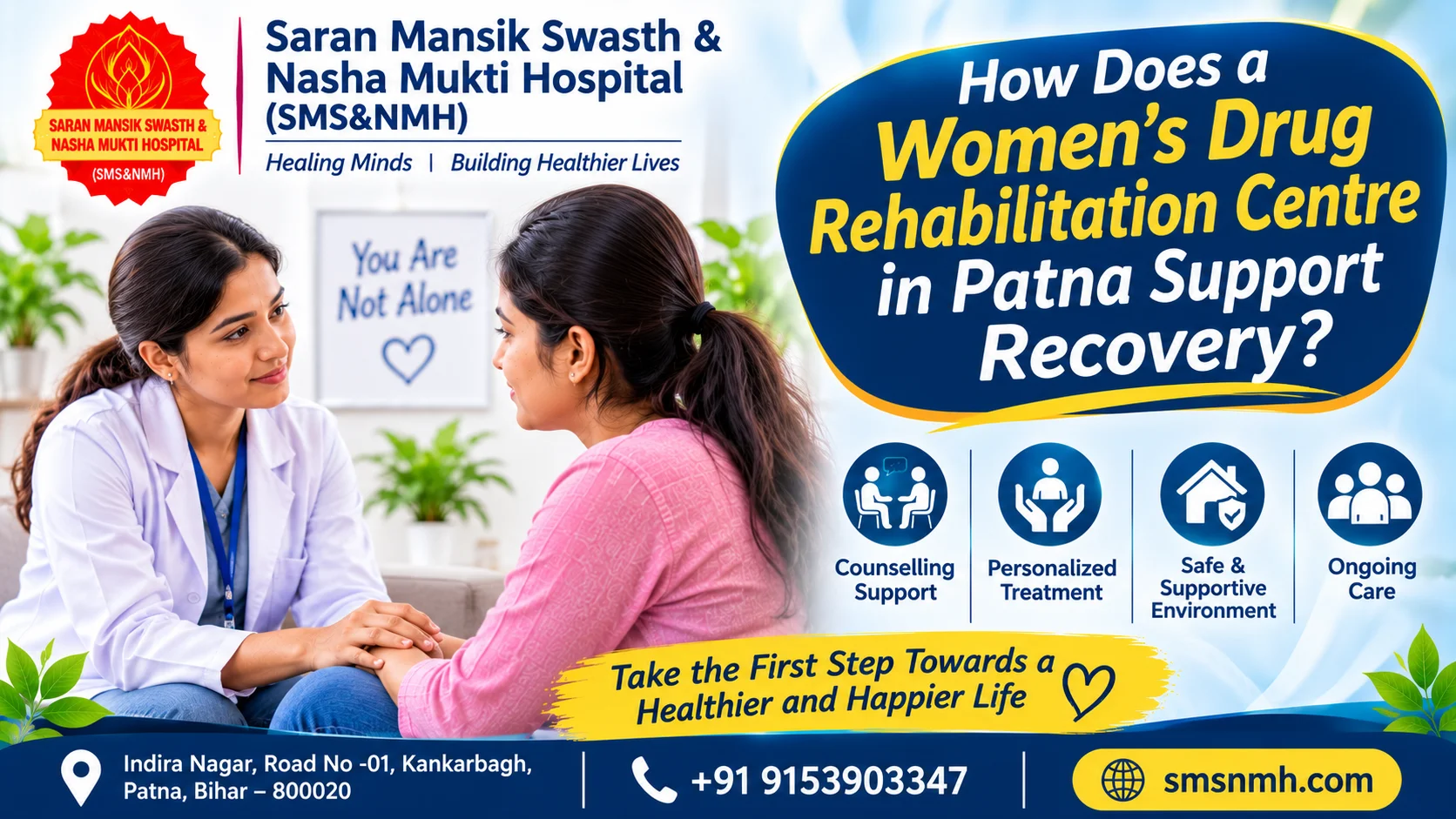
For women who need structured drug addiction treatment in Patna, families can contact Saran Mansik Swasth & Nasha Mukti Hospital to learn about its services, admission process, treatment approach, and facilities. They can also ask how the care plan is adjusted to the patient’s health and personal situation.
You can also explore the support offered by a Ladies Nasha Mukti Kendra in Patna.
Understanding Evidence-Based Addiction Care
The World Health Organization (WHO) and the United Nations Office on Drugs and Crime (UNODC) have published international standards for the treatment of drug use disorders. These standards stress that treatment should be accessible, ethical, and based on evidence. They also highlight medical care, psychological support, rehabilitation, and ongoing recovery services.
Families can read these guidelines to see why care should match individual needs rather than follow one fixed method.
Conclusion
Choosing a Women’s Drug Rehabilitation Centre Patna is a big decision for any woman and her family. Good recovery support can include a medical assessment, supervised withdrawal when needed, counselling, behavioural therapy, rehabilitation, and long-term follow-up.
The right plan respects each woman’s health, experiences, and circumstances. With professional guidance and steady support, women can move towards a healthier life and lasting recovery.
Frequently Asked Questions
1. What is the most common treatment for drug addiction in women?
Treatment usually combines a medical assessment, withdrawal management when necessary, counselling, behavioural therapy, and rehabilitation. The exact plan depends on the substance and the patient’s health.
2. How long does women’s drug rehabilitation take?
The time varies with the substance used, the level of dependence, medical needs, and progress in treatment. A healthcare professional can suggest a suitable plan after an assessment.
3. Is counselling necessary during drug addiction treatment?
Yes, counselling is a key part of most programmes. It helps patients understand triggers, manage emotions, build coping skills, and work towards preventing relapse.
4. Can a woman recover from drug addiction completely?
Many women make real and lasting progress with proper treatment and ongoing support. Recovery is a continuing process, and follow-up care helps protect that progress.
5. How can families support a woman during rehabilitation?
Families can offer encouragement, avoid judgement, support treatment appointments, learn about addiction, and join counselling when professionals recommend it.